 Puzzle
 games.
GAME CATEGORY
Routes, patterns, timing and tidy problem-solving. The puzzle shelf spans pipe networks, folding pictures, drawn paths and spatial boards where observation comes before action. Each guide highlights the first useful scan and one adjustment to make after a failed attempt, so a miss becomes feedback instead of a reset.
Notes on how the puzzle list was assembled
Twelve guides fill the puzzle shelf, and they split into families worth knowing before you pick one. Some ask you to plan an entire route before anything moves, some want a single well-aimed action repeated under a budget, and others are really about performing a set of small steps in the correct order.
The drawing puzzles sit in the first family. Drawmaster2 shows a scene, a starting point and a set of targets, then waits while you sketch the line the object will follow. Nothing moves until you release, so the planning step carries no timing pressure and a route can be redrawn as often as you like. The catches are order and contact: a path that visits the targets in the wrong sequence can block its own gap later, and a route drawn through a wall is simply a route that does not exist.
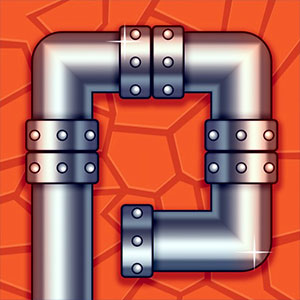
Pipe, board and matching games make up the second family. Plumber Pipe asks you to swap tiles until one unbroken line carries water from the entrance to the exit, with the run ending the moment a joint fails to line up. Roll The Block adds a shape problem to the same grid: the block stands tall or lies flat depending on which way it tips, so each roll changes the tiles it covers and the routes that stay open. Momo Pop lays a mission at the top of the board, such as a score to reach or jellies to clear, beside a limited pile of swaps that a careless trade burns just as fast as a useful one.
Sequencing is the third family, and it is the subtlest. Paper Fold gives every panel its own fold angle and its own place in the order, so a correct set of folds performed out of sequence still ends in the wrong silhouette. Higgs Ball Paint works the same way in colour: each shot repaints the ball you tap along with its connected same-colour neighbours, so choosing which region to feed matters far more than how quickly you tap.
Across all three families the guiding habit is identical. Look at the whole board before the first move, decide what the finished state should look like, and work backwards from there. A miss in these games is almost never a matter of reflex; it is a sign that one assumption about the layout went unchecked, which is exactly why the guides describe a failed attempt as feedback rather than a dead end.
These games suit a player who likes to think with their hands and is comfortable sitting with a board for a minute before touching it. Almost none of them run on a timer, most let you restart a level without losing anything, and several keep their checkpoint structure local, so a bad tap costs the current attempt rather than the whole session. If you want a game that rewards quick reactions instead, the arcade and action shelves are the better fit.
Puzzle
 Puzzle
 Puzzle
 Puzzle
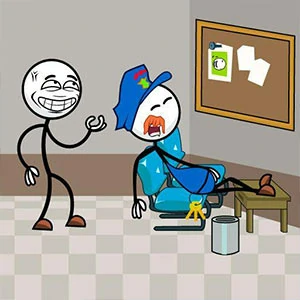 Puzzle
 Puzzle
 Puzzle
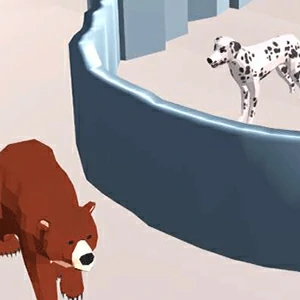 Puzzle
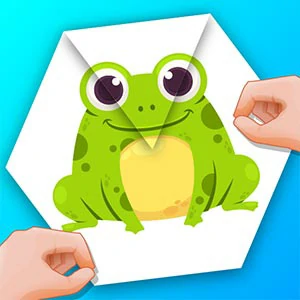 Puzzle
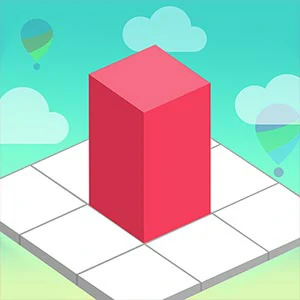 Puzzle
 Puzzle
 Puzzle