 Arcade
 games.
GAME CATEGORY
Fast starts, repeatable challenges and sharp reactions. The arcade shelf mixes collection loops, chain reactions, merging and vertical jumps where one choice quickly shows whether the timing, route or upgrade priority was right. The guides separate the moments where rapid input helps from the ones where a slower, more careful read is safer.
How the arcade collection was chosen
The arcade shelf is the widest one here, with thirteen guides spanning chain-reaction boards, spinning paint targets, arena battles, runners and landscape builds whose instructions live inside the game. What holds them together is a short loop that shows you quickly whether the last decision was any good.
Jelly Boom is the clearest case for reading before tapping. One tap bursts a jelly and the pop ripples outward through its neighbours, but every tap also spends a move from a limited budget. Popping the densest cluster first reshapes the board into fewer, fatter groups, while picking off a lonely piece on the edge buys one jelly for the same price. Saving isolated pieces until a chain pulls them together is the sort of small economy this shelf keeps rewarding.
Paint Pop 3D turns the same idea into a timing problem. A shape rotates on its own while you hold to spray, and any paint that lands on the studded or protected faces fails the attempt. There is no aiming and no steering, only the decision of when the stream is on, so a quiet first lap spent watching where the studs are and how fast they cross the screen is usually cheaper than a hurried first attempt.
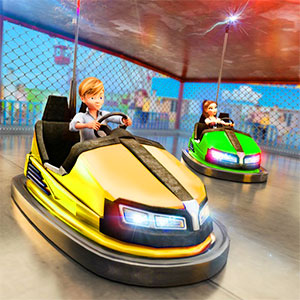
Arena rounds compress that read into a countdown. Bump.io shrinks its circular road as the round runs, drifts spinning blade blocks across the middle, and gives you a virtual stick that appears wherever you press and drag. Because you never control speed, the guide's advice is to spend the opening seconds noting where the blades travel and where the road edge sits, then bump a rival only when the collision clearly ends in your favour.
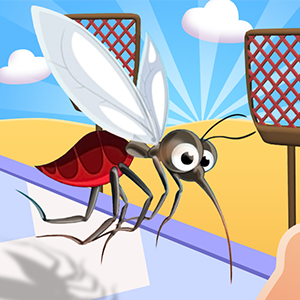
The landscape games here teach differently, and the guides say so openly. Mosquito Bites and Float Runners keep their instructions inside the player, showing prompts, counters and result panels rather than publishing a rulebook. The habit that works there is waiting for the load to finish, reading the prompt the scene draws, and acting on it before reaching for anything else. Acting ahead of the prompt is the main way to trip over the game's own timing.
Runners round out the shelf with a survival flavour. Hit Master Rush pushes you forward while you aim and strike, and Float Runners starts the moment you slide up and down on the screen. Both make the near target the priority, because a threat you ignore keeps coming while your attention is somewhere further down the course.
This is the shelf to open when you have a few minutes and want something that starts immediately. Every title here reaches a playable state quickly, most rounds close on their own, and none of them ask you to remember where you left off. If you want a single long build instead, the strategy and puzzle guides will serve you better.
Arcade
 Arcade
 Arcade
 Arcade
 Arcade