A runner, not a racer
A lane-hopping race against traffic
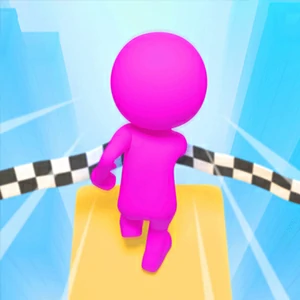
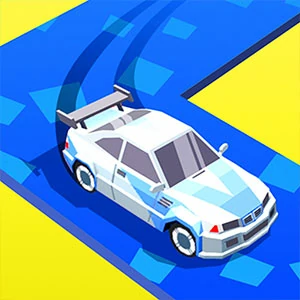
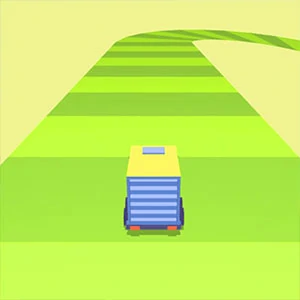
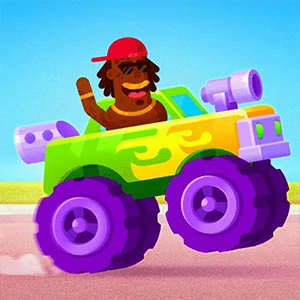
Race Masters Rush is a fast racing runner where your vehicle accelerates forward on its own and your only job is to steer it across the lanes to dodge slower cars and barriers. The course scrolls toward you, so every decision is about which lane will stay clear.
There is no pedal to manage and no braking to time. Because forward motion is automatic, the entire run is a reading game: spotting the next cluster of traffic early, choosing the lane with the most open space, and committing only when the gap is truly better than where you are.
Reach the finish intact
Cross the finish without a crash
The run ends when you reach the finish line with the vehicle still in one piece. A single collision or running off the road usually ends the attempt, so staying clear of traffic matters more than being the fastest on screen.
That shifts the priority from speed to survival. Passing a whole line of cars means nothing if the lane you cut into is about to close, so each run is less about racing and more about keeping a clean line through the heaviest stretches.
Side-to-side steering
Steer left and right only
On a computer, move with the left and right arrow keys or drag the mouse sideways. On a touch screen, slide one finger left or right, and the vehicle keeps moving forward by itself, so you only ever control its position across the lanes.
Because steering is the only input, your hand has one simple job: place the car in a lane and keep it there. Small tap-sized corrections work better than big sweeps, since a large sideways input at speed tends to overshoot into the next lane.
Pick the open lane
Read the road before moving
As the round starts, glance at the next stretch of road and pick the lane with the most open space. Make your first move only when a gap is clearly better than where you already are, rather than weaving from the very first second.
Think of the opening seconds as a scouting lap. Let the traffic reveal itself, note which lanes tend to cluster, and position yourself early; the earlier you read the road, the fewer emergency corrections you need later at high speed.
Hold after the pass
Stay settled after an overtake
After you slip past a car, hold your new lane for a moment instead of immediately weaving back. Constant small corrections at speed tend to steer you into a hazard you have already cleared.
Settling also keeps your view steady. If you change lanes only when a real obstacle appears, you spend more time looking at the road ahead and less time reacting to motion you created yourself, which makes the traffic much easier to read.